Cashmere Price Range: Why Costs Vary & How to Choose
Yes Helping Hand|October 22, 2024
6 min Read|
Share
Walk into any department store, and you'll find cashmere sweaters priced at $80. Browse luxury boutiques, and similar-looking sweaters cost $800. Online, you'll see cashmere scarves ranging from $40 to $400.
So what's the difference? Is expensive cashmere actually worth it, or are you just paying for a brand name?
The truth is: cashmere quality varies dramatically, and price often (but not always) reflects that quality.
Cashmere is the pinnacle of luxury and comfort, but its price tag can be confusing. Why does a cashmere sweater cost $60 at one store and $400 at another?
In this guide, we break down exactly what determines cashmere pricing, so you can make informed purchases and get real value for your money.
The answer lies in understanding the origin of cashmere, its quality, sourcing, and the craftsmanship that goes into it. Knowing these differences can save you hundreds while ensuring you get the best value for your investment.
Quick Cashmere Price Comparison
What Drives Cashmere Prices?
Fiber Diameter & Micron Count - The Foundation of Quality
The fineness of cashmere fibers directly impacts both price and performance. Here's how micron count translates to your wallet:
Grade
Micron Range
Feel & Performance
Price Impact
Grade A
Under 15 µm
Ultra-soft, silk-like texture
Premium(+100 - 150%)
Grade B
15.6 - 19.0 µm
Excellent softness, durable
Premium & Affordable
Grade C
19.1 - 30.0 µm
Soft and durable than fast fashion
Affordable, but Pure Cashmere
Yes Helping Hand Advantage: We source 100% pure cashmere in the Grade A, B, and C range, offering exceptional quality at accessible prices through direct partnerships and social impact sourcing. So, everyone can afford and feel the softness of 100% pure cashmere clothing.
Source & Altitude: Geography Matters
Why Himalayan cashmere costs more than Mongolian cashmere:
Himalayan goats (>3,000m elevation):
Mongolian goats (~2,000m elevation):
The elevation effect: Every 1,000m increase in altitude reduces fiber diameter by ~0.7 µm, directly boosting market price.
The Scarcity Factor: Annual Yield per Goat
Here's why cashmere will always command premium pricing:
The processing method dramatically affects both price and longevity:
Hand-Combing Benefits:
Only 2-4% fiber breakage (vs. 8-12% machine processing)
Preserves natural fiber strength and softness
15-20 days artisanal care per garment
Costs 40-60% more than machine processing
Machine Processing Trade-offs:
Faster production (1-2 days vs. 15-20 days)
Lower initial cost
Higher fiber damage reduces durability
Compromised texture and feel
The undercoat of cashmere goats yields a fine, silky wool
known as cashmere. It takes a lot of work to gather the fibres from the goats
since they need to be meticulously combed. This adds to the fibres' uniqueness
and helps explain the expensive price.
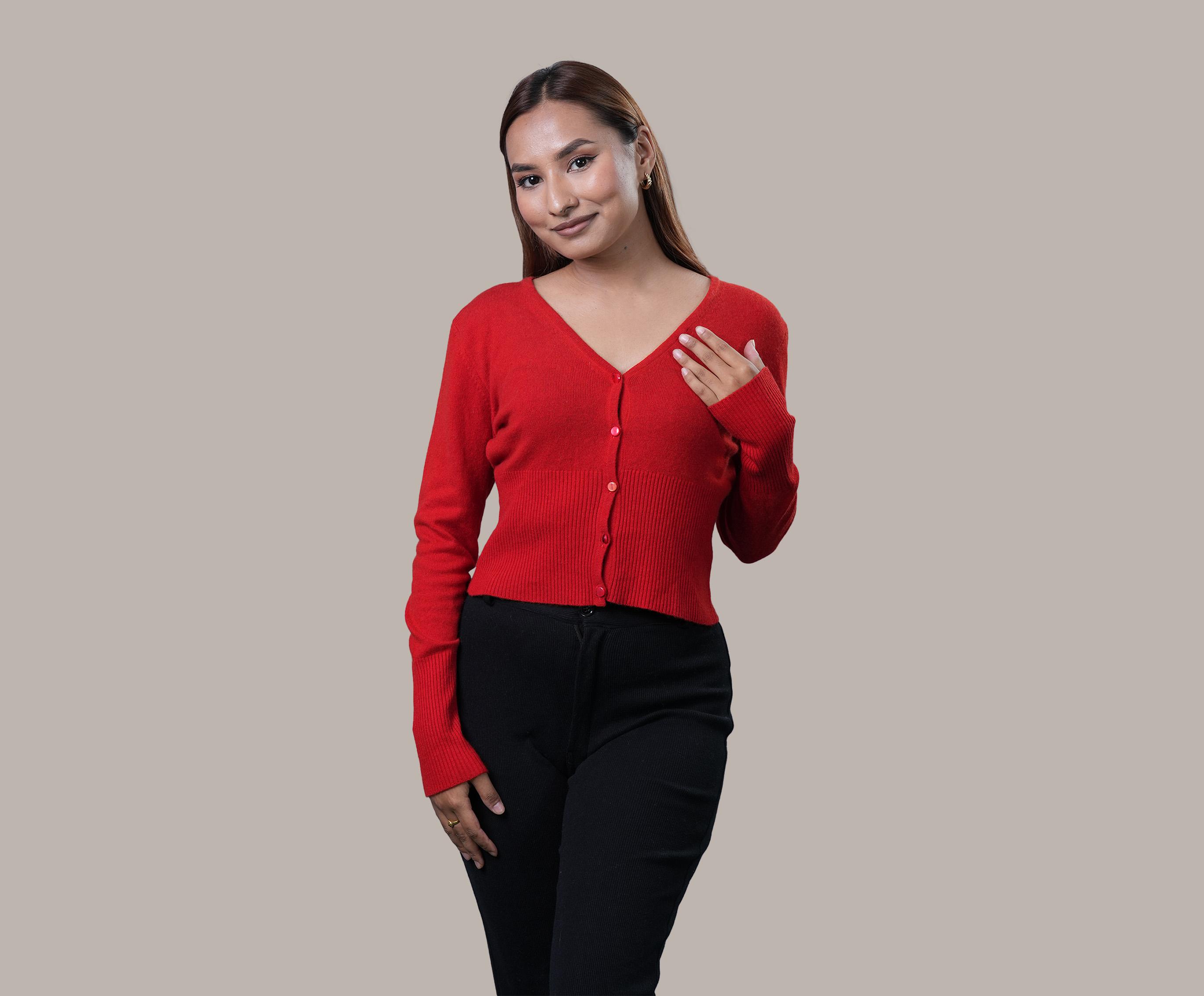
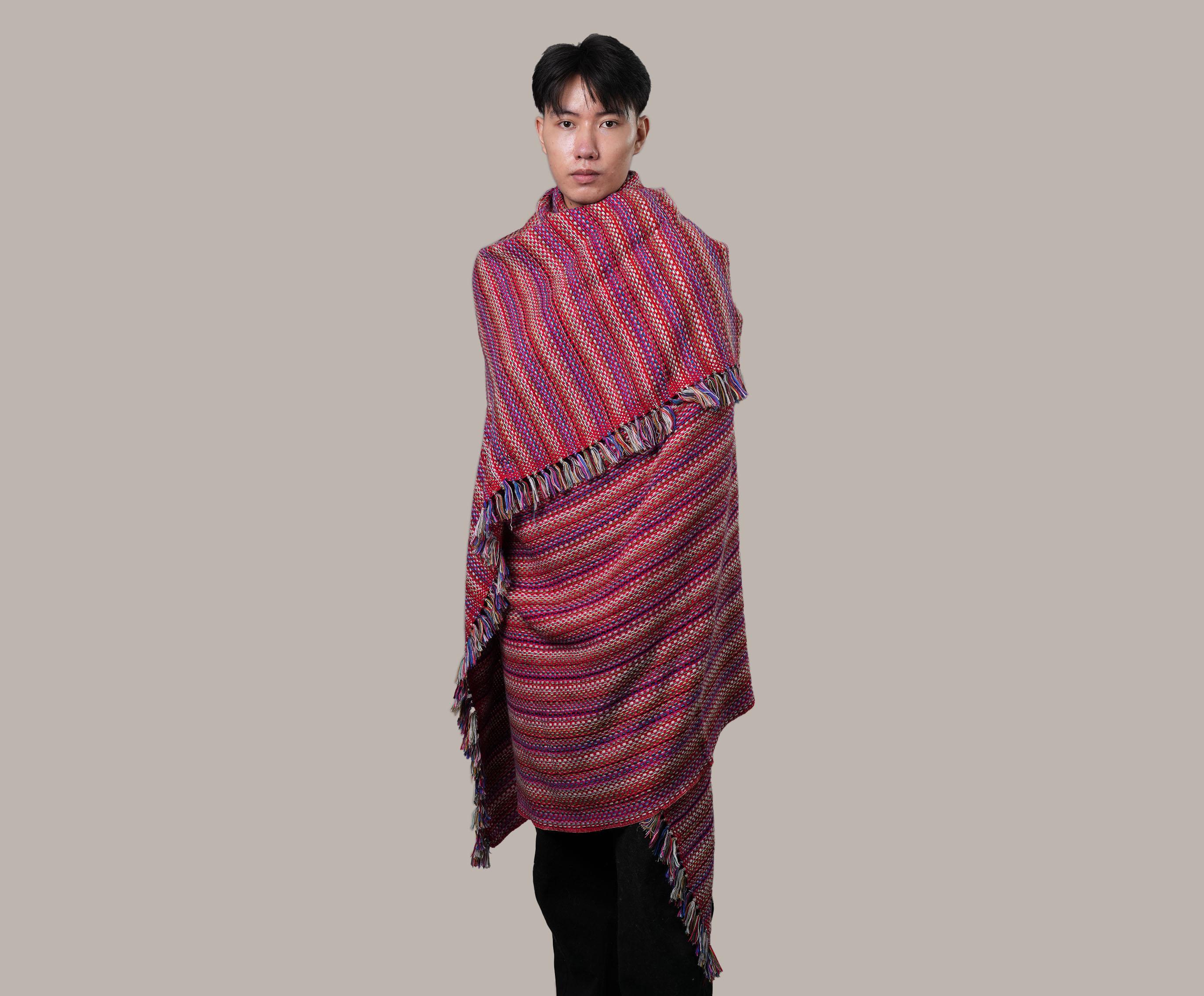
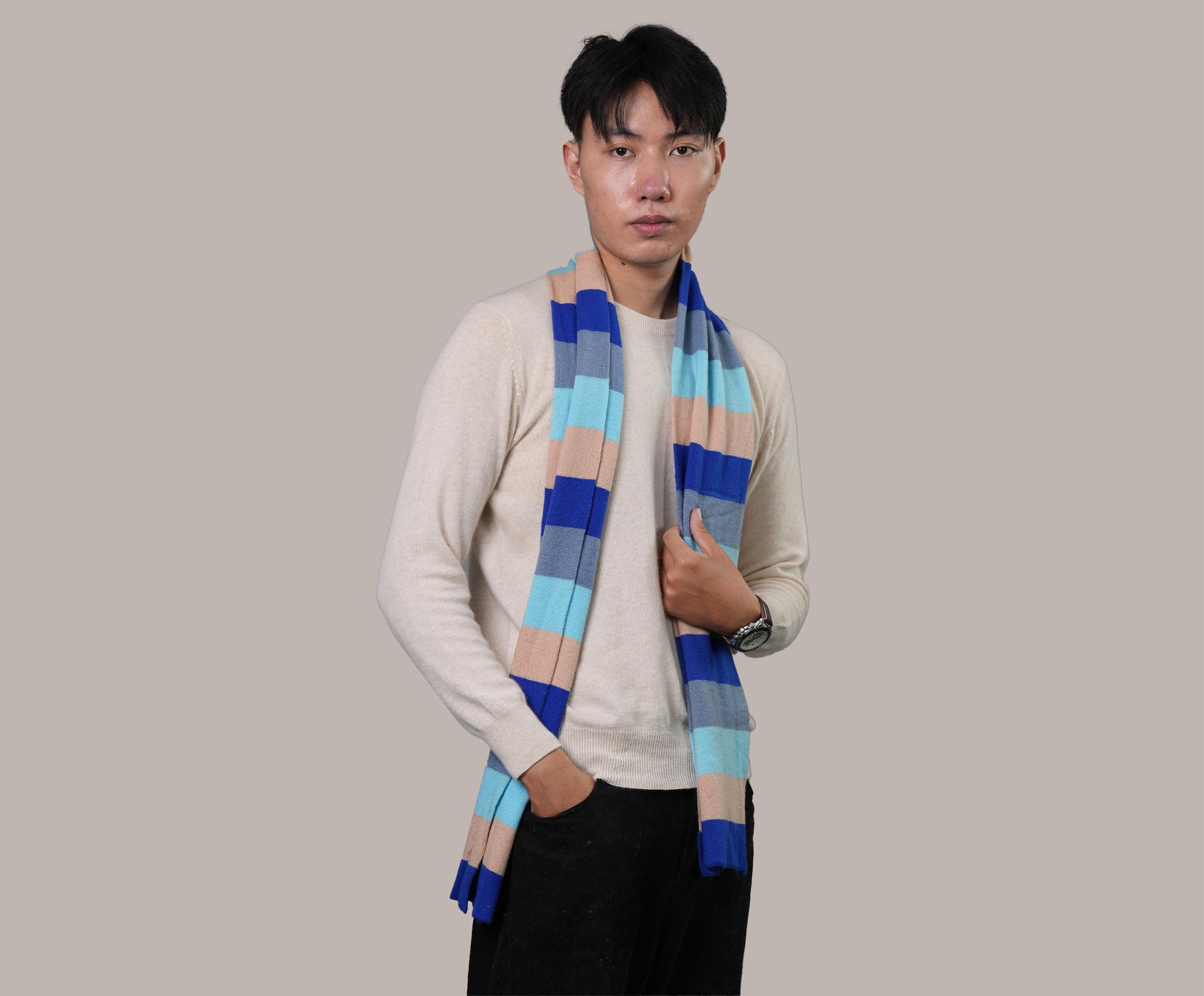
Check out our cashmere collection:
Additional Factors that affect Cashmere Price
1. Ply/Gauge Variations
Ply Type
Construction
Price Impact
Durability
Best For
Single-Ply
One yarn strand
Budget-friendly (-20-30%)
Lower
Lightweight scarves
2-Ply
Two strands twisted
Standard pricing
High
Most sweaters/cardigans
3-Ply+
Multiple strands
Premium (+25-40%)
Highest
Coats, heavy sweaters
Key Points:
Single-ply feels lighter but less durable
→ 2-ply offers the best balance of warmth and longevity → 3-ply+ creates heavier, more expensive garments → Higher ply count = more cashmere fiber used = higher cost
2. Yarn Preparation Methods
Method
Process
Fiber Damage
Price Impact
Final Quality
Carded
Mechanical brushing
Higher (5-8%)
Lower cost (-15-25%)
Good softness
Combed
Hand/precision combing
Minimal (1-3%)
Higher cost (+15-25%)
Superior softness
Processing Details:
→ Carded cashmere: Faster, machine-driven process with some fiber breakage → Combed cashmere: Slower, careful alignment preserves fiber integrity → Combed advantage: Longer-lasting softness, reduced pilling → Price justification: Extra labor time and reduced yield drive up costs
3. Weave Density Variations
Density Level
Gauge Count
Cashmere Used
Price Range
Characteristics
Loose Knit
3-5 gauge
Less fiber
Budget ($40-80)
Lightweight, drapey
Medium Knit
7-12 gauge
Standard amount
Mid-range ($80-150)
Balanced warmth/weight
Tight Knit
14+ gauge
More fiber
Premium ($150-300+)
Dense, very warm
Density Impact:
→ Tighter weaves require 20-40% more cashmere fiber → Dense construction = better shape retention → Loose knits = more affordable but less durable → Gauge count directly correlates with final garment cost
4. Brand Overhead & Retail Markup
Cost Component
Percentage of Final Price
Example on $200 Sweater
Raw Cashmere
25-35%
$50-70
Manufacturing
15-25%
$30-50
Brand Operations
15-25%
$30-50
Retail Store Markup
50-100%
$100-200
5. Seasonal & Fashion Factors
Factor
Price Variation
Peak Seasons
Impact Duration
Fashion trends
±20-30%
Fall/Winter launch
1-2 seasons
Seasonal demand
±15-25%
Oct-Feb
4-5 months
Color popularity
±10-15%
Varies by trend
6-12 months
Style complexity
±25-50%
Year-round
Permanent
Seasonal Pricing Patterns:
Fall/Winter: Peak pricing due to high demand
Spring/Summer: 20-40% discounts on previous season stock
Trending colors: Command 10-15% premium during peak popularity
We are transparent, but most luxury fashion brands aren't. So, here's your quality checklist:
Social impact: Look for brands supporting inclusive employment, we do.
Feel: Should be soft and warm, not slick or itchy
Label: Must say "100% Cashmere" - ours does
Micron count: 15.6-19 µm for 100% pure cashmere quality
Fiber length: ≥36mm for durability
Hand-feel test: Should feel noticeably softer than synthetic
Pilling behavior: Initial pilling stops after 3-7 wears
Color consistency: Even dye distribution, no blotchiness
Brand transparency: Look for brands that share their story and mission; we do.
Social impact: Look for brands supporting inclusive employment, we do.
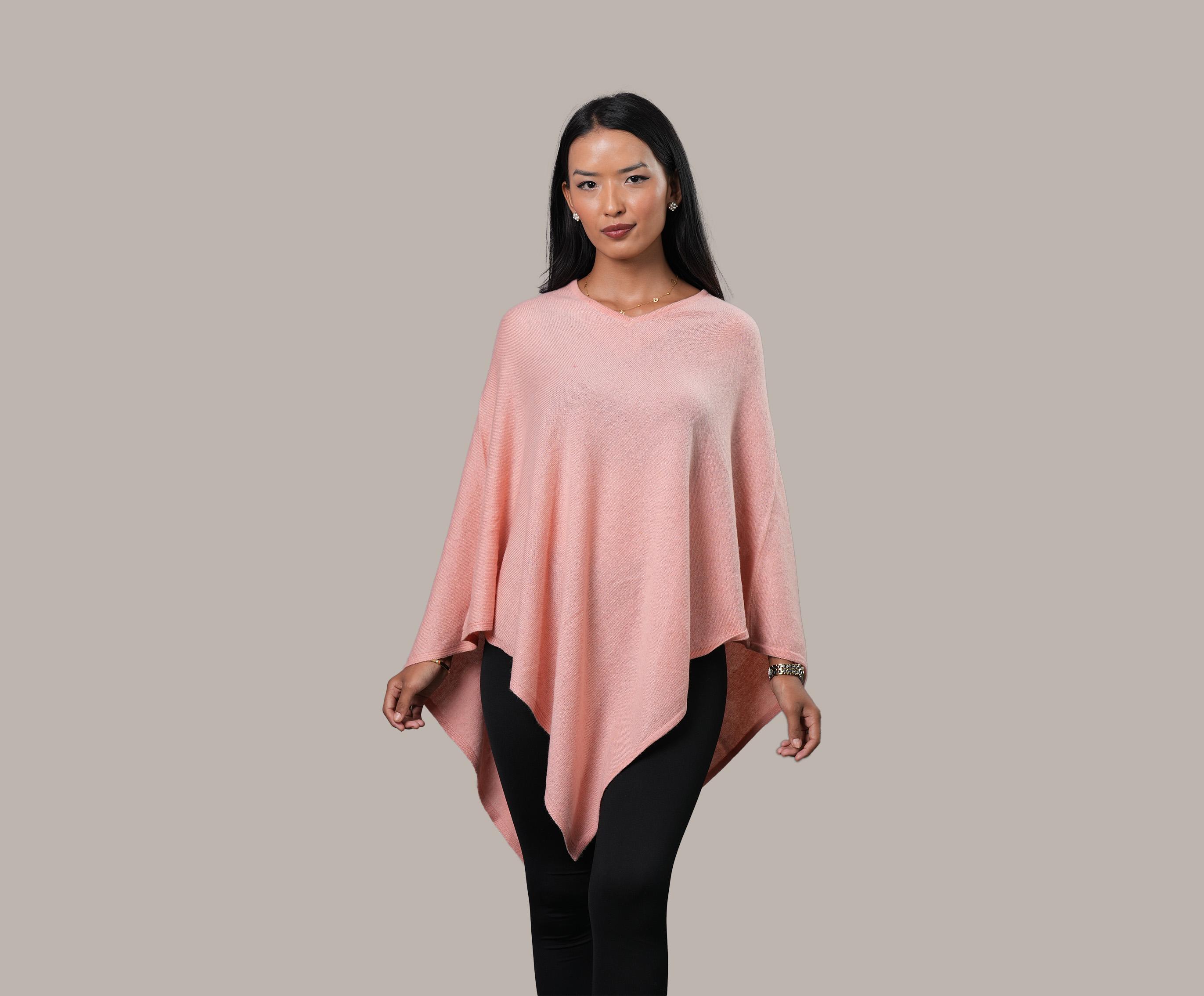
Our Cashmere Ponchos are crafted with the same attention to quality, transparency, and ethical practices highlighted in our checklist.
Answers for FAQs on Cashmere Pricing:
Is 100% cashmere always worth the price?
Yes, when you buy quality cashmere from ethical sources. Look for Grade A or B cashmere (15–19 microns) from reputable brands. Avoid very cheap cashmere, as it’s likely low-quality or blended. Yes Helping Hand’s 100% pure cashmere offers genuine luxury and long-lasting comfort.
Why are some cashmere blankets more expensive than sweaters?
Blankets require 25-50% more cashmere fiber. A sweater uses fiber from 3-4 goats, while a blanket needs 4-6 goats' worth. Plus, Cashmere blankets use heavier ply construction for durability and have a larger surface area, driving up material costs.
How much should I budget for quality cashmere?
Quick Budget guide:
Scarves: $50-80
Sweaters: $80-150
Blankets: $120-200
Premium pieces: $150-250
For ethical options with social impact, expect to pay 20-30% less than luxury brands while getting the same quality.
Yes Helping Hands eliminates middleman markups and luxury brand overhead. Direct sourcing from Nepal saves 30-40%, and we use Grade B cashmere (still premium quality) instead of Grade A. Yes Helping Hands' profits support our mission, not expensive marketing campaigns.
How do I care for cashmere to make it last?
Follow these 4 steps:
Hand wash in cold water with wool detergent
Never wring or twist - gently squeeze out water
Lay flat on towel to dry, reshape while damp
Store folded in breathable containers, never hanging
Proper care can extend the life of cashmere to 10+ years. Follow our cashmere care guide for extra tips.
How can I tell if cashmere is genuine?
Check these 5 indicators:
Label must say "100% Cashmere" (not "cashmere blend")
Feel test: Should be soft but not slippery like synthetic
Price check: Real cashmere under $40 is suspicious
Burn test: Real cashmere smells like burning hair, not plastic
What's the difference between Grade A, B, and C cashmere?
Grade breakdown:
Grade A (under 15 microns): Ultra-premium, silky feel, most expensive
Grade B (15-19 microns): Excellent quality, best value, Yes Helping Hands' standard
Grade C (19+ microns): Good quality, budget-friendly, still genuine cashmere
Grade B offers 90% of Grade A's luxury at 60% of the price.
Is cashmere warmer than wool?
Yes, cashmere is 8x warmer than sheep wool due to finer fibers that trap more air. A lightweight cashmere sweater provides the same warmth as a heavy wool sweater, making it ideal for layering and travel.
Why does cashmere pill initially?
New cashmere naturally pills for the first 3-7 wears as loose fibers work their way out. This is normal and actually indicates quality - synthetic materials don't pill the same way. After initial pilling stops, quality cashmere becomes smoother and softer.
Yes Helping Hand: Luxury with a Conscience
Experience the softness of 100% Pure Himalayan Cashmere from Nepal at a fraction of the cost of major brands. You no longer have to choose between luxury quality, an accessible price, and your principles. With our collection of cashmere sweater collections, you get all three.
Our Social Impact Advantage:Why our ethical cashmere delivers exceptional value:
The Quality: 100% Pure Cashmere from modern, efficient production.
The Value: Direct sourcing eliminates middleman markups, saving you 20-35% and delivering budget-friendly prices.
The Principle: Every purchase supports fair employment and creates opportunities for skilled artisans with disabilities and single mothers, empowering them to build livelihoods and achieve independence.
Our Unique Position: Direct sourcing + social impact = genuine 100% cashmere at affordable prices.
You aren't just buying a sweater; you are becoming part of the Yes Helping Hand story, and you will help sustain the livelihood of our makers.
Still Confused? Check out our FAQs for Cashmere Pricing Difference:
Is 100% cashmere always worth the price?
Yes. Worth it only when quality and sourcing are legitimate. Grade A or B cashmere (15–19 microns) from reputable, ethical producers delivers durability and comfort. Cheap “100% cashmere” usually signals low-grade fiber or deception.
Why are some cashmere blankets more expensive than sweaters
Blankets consume 25–50% more fiber. A sweater uses fleece from 3–4 goats; a blanket requires 4–6. Heavier ply construction and higher surface area increase material and production cost.
How much should I budget for quality cashmere?
The exact budgets depend on various factors, but ethical, direct-source brands typically cost 20–30% less than luxury labels for equivalent quality.
Why is your cashmere more affordable?
Costs are reduced by eliminating middlemen and luxury-brand overhead. Direct sourcing from Nepal cuts 30–40%. Grade B cashmere is used instead of Grade A. Profits fund mission-driven work, not marketing.
How do I care for cashmere to make it last?
Hand wash cold with wool detergent. Do not wring or twist. Gently press out water. Dry flat on a towel and reshape while damp. Store folded in breathable containers. Proper care yields 10+ years of use.
How can I tell if cashmere is genuine?
Label must state “100% Cashmere.” Texture should be soft but not slick. Prices under $40 are suspect. Burn test smells like hair, not plastic. Legitimate brands disclose sourcing.
What’s the difference between Grade A, B, and C cashmere?
Grade A: under 15 microns, ultra-premium, highest cost.
Grade B: 15–19 microns, excellent quality, best value.
Grade C: 19+ microns, coarser, budget tier.
Grade B delivers most of Grade A’s feel at significantly lower cost.
Is cashmere warmer than wool?
Yes. Approximately eight times warmer than sheep wool due to finer fibers that trap more air. Comparable warmth with less bulk.
Why does cashmere pill initially?
Loose fibers shed during the first 3–7 wears. This is normal and indicates natural fiber. After removal, pilling stops, and the fabric smooths out.